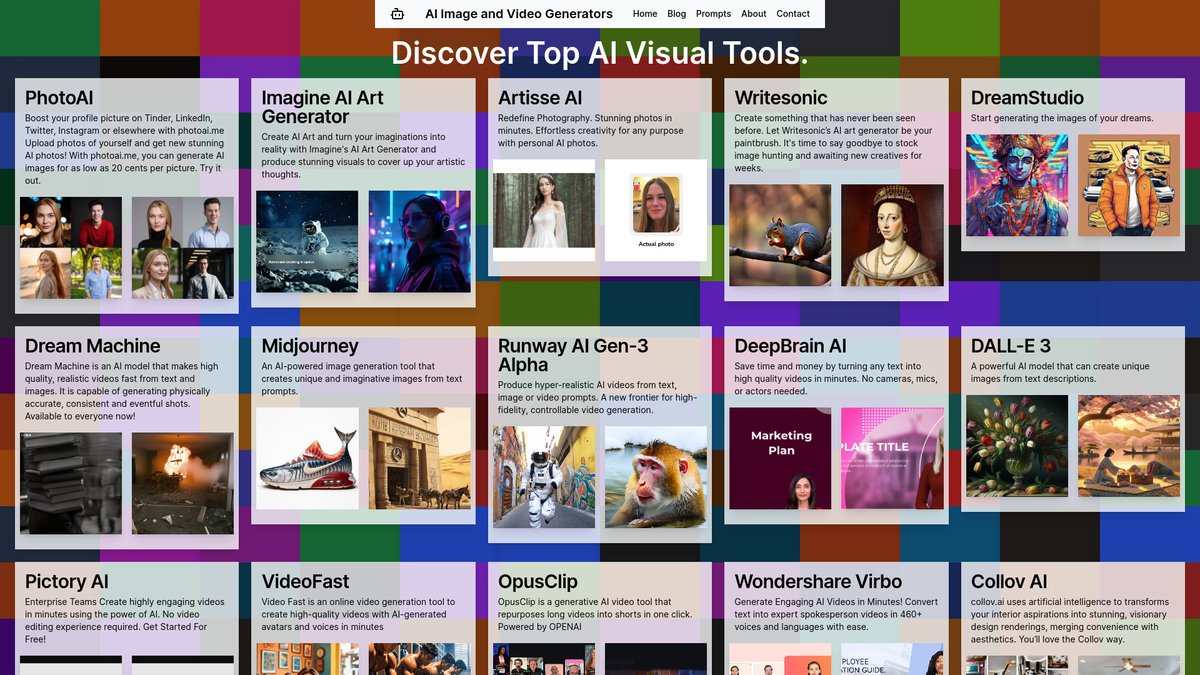
Imagine this: You have a brilliant idea for a video, but the thought of scripting, filming, editing, and finding the perfect music leaves you overwhelmed. What if you could conjure that video into existence with just a few words or a single image? That's not a futuristic dream anymore; it's the reality of Understanding Instant AI Video Generators, a technology rapidly transforming how we create visual stories. These aren't just fancy editing tools; they're your personal film studio, ready to bring imagination to life in minutes, not weeks.
This guide will demystify AI video generators, showing you exactly how they work, what they can do, and how you can leverage them to tell compelling stories, market products, educate audiences, or simply express yourself with unprecedented ease.
At a Glance: What You Need to Know About AI Video Generators
- What they are: Digital tools using AI to create videos from simple text prompts or static images.
- How they work: AI interprets your input using advanced models (like NLP, neural networks, diffusion models) to generate visuals, motion, and animation.
- Key Modes:
- Text-to-Video: Describe it, get a video.
- Image-to-Video: Animate photos or illustrations.
- Editing Enhancements: AI-powered smart editing for existing footage.
- Big Benefits: Incredible speed, accessibility (no fancy gear needed), cost-effectiveness, creative brainstorming, and easy flexibility.
- Things to Watch Out For: Visual quality can sometimes feel generic or "uncanny," less direct creative control than manual editing, and important legal/copyright considerations.
- Practical Uses: From product promos and social media content to educational videos and personal memory animations.
The Magic Behind the Screen: How AI Conjures Video
At its core, an AI video generator is a sophisticated digital tool that acts as your personal video production assistant. It bypasses the traditional hurdles of cameras, actors, elaborate sets, and complex editing software, letting you go from concept to creation with remarkable speed.
But how does this digital magic happen? It's a fascinating blend of artificial intelligence technologies working in concert:
- Input Interpretation: It all starts with your input. Whether you provide a descriptive text prompt ("A robot teaching kids math in a futuristic classroom") or a still image with an accompanying description, the AI first "understands" your request. This is where Natural Language Processing (NLP) shines, breaking down your words into concepts, objects, actions, and emotions.
- Visual Selection & Generation: Using neural networks, diffusion models, and deep learning models (like Generative Adversarial Networks or GANs, and Convolutional Neural Networks or CNNs), the AI begins to "imagine" the visuals. For text-to-video, it generates entirely new imagery. For image-to-video, it analyzes your static photo, identifying elements it can animate.
- Motion & Animation: This is where the video truly comes alive. The AI adds motion to the generated or existing visuals, creating realistic animation. It determines camera movements (zooms, pans, rotations), object movements, and character actions, striving for a fluid, natural flow.
- Sequencing & Rendering: The AI then renders these individual frames into a cohesive, fluid sequence. It automatically blends in-between frames to ensure smooth transitions, syncs audio (if generated or provided), and fine-tunes elements like upscaling resolution and color grading to achieve a polished look.
Think of it like a highly skilled artist who can paint a moving picture based on your verbal description, complete with lighting, perspective, and dynamic elements. The underlying algorithms are constantly learning from vast datasets of existing videos and images, improving their ability to generate increasingly realistic and nuanced content.
Your Creative Toolkit: Key Modes of AI Video Generation
AI video generators aren't one-trick ponies. They offer distinct modes, each tailored to different creative needs, making them incredibly versatile.
1. Text-to-Video: From Idea to Animation
This is perhaps the most captivating mode, allowing you to create entirely new video content from scratch using just a written description. It's like writing a short story and having it instantly turned into a movie.
How it works: You type a detailed prompt, such as "An astronaut floating in space, planting a small flower on a distant asteroid, with Earth visible in the background." The AI interprets every element—the astronaut, the action, the setting, the background—and generates the entire visual sequence.
Best for:
- Rapid prototyping of concepts.
- Visualizing abstract ideas.
- Generating unique scenes that would be impossible or costly to film traditionally.
- Creating explainer videos without any existing assets.
2. Image-to-Video: Bringing Stills to Life
Got a stunning photograph or an eye-catching illustration? This mode allows the AI to animate it, adding motion, depth, and storytelling elements. It breathes life into static imagery, transforming it into dynamic video clips.
How it works: You upload an image and provide a descriptive prompt, like "A serene sunset photo, with clouds slowly drifting across the sky and gentle ripples appearing on the water." The AI analyzes the image, identifies areas it can animate (clouds, water), and generates realistic motion based on your description. This mode is often recommended for beginners because it helps you see how the AI interprets and enhances existing visuals.
Best for:
- Animating product photos for e-commerce.
- Creating dynamic social media posts from static graphics.
- Adding movement to presentations or digital portfolios.
- Transforming personal photos into memorable animated clips.
3. Editing Enhancements: Supercharging Your Existing Footage
Beyond generating entirely new content, some AI tools can act as powerful editing assistants, streamlining traditional post-production workflows. They don't just create; they elevate.
How it works: You upload raw footage, and the AI can automatically perform tasks that would typically take hours:
- Automatic Cutting: Identifying the most engaging moments and creating concise cuts.
- B-roll Integration: Suggesting or even generating supplementary footage.
- Captioning: Transcribing dialogue and generating synchronized captions.
- Music Matching: Analyzing video pace and tone to suggest and align background music.
- Color Grading & Transitions: Applying professional-grade visual enhancements.
Best for: - Content creators looking to speed up their editing process.
- Businesses needing quick turnarounds for video advertisements.
- Anyone wanting to add a professional polish to their home videos or vlogs without extensive editing skills.
Why You Should Care: The Irresistible Benefits of AI Video Generation
The advent of AI video generators isn't just a technological marvel; it's a practical game-changer for individuals and organizations alike. The benefits are profound, democratizing video creation in ways we've only dreamed of.
Unprecedented Speed: From Idea to Playback in Minutes
Traditional video production is notoriously slow. From concept to final edit, a single video can take days, weeks, or even months. AI shatters this timeline. With these tools, you can go from an initial idea or prompt to a finished, usable video clip in a matter of minutes. This rapid iteration capability means you can test concepts, create multiple versions, and respond to trends at lightning speed.
Unmatched Accessibility: No Studio, No Problem
Forget expensive cameras, lighting setups, actors, or even advanced editing software. AI video generators eliminate the need for specialized equipment or extensive technical expertise. Most tools feature intuitive interfaces that are beginner-friendly, allowing virtually anyone to produce professional-looking results with just a computer and an internet connection. It truly levels the playing field for content creation.
Cost-Effective Content: High Quality, Low Budget
The high cost of traditional video production often puts it out of reach for small businesses, independent creators, or educational institutions. AI generators drastically cut these costs. By automating much of the production process, you can achieve professional-looking video content without hiring a full production team, renting equipment, or spending countless hours in post-production.
A Creative Brainstorming Partner: Unlock New Ideas
Sometimes, the hardest part of creation is simply getting started. AI video generators can serve as an incredible brainstorming partner. Need to visualize a character, explore different visual styles for a brand, or test various tones for an ad campaign? Generate quick prototypes. See how slight changes in a prompt can yield drastically different results. It's a low-stakes way to explore and refine your creative vision before committing significant resources.
Flexible & Future-Proof: Adapt on the Fly
Traditional videos are rigid. If you need to change a detail, you often face reshoots and re-edits, which are time-consuming and expensive. With AI, flexibility is built-in. Want to change the robot's color or the classroom setting? Simply edit your prompt and regenerate the video. This allows for easy updates, personalization, and adaptation to evolving needs or feedback.
Navigating the Nuances: Limitations & Considerations
While AI video generators offer incredible power and convenience, it's crucial to approach them with a clear understanding of their current limitations. They are tools, not magic wands, and mastering them requires acknowledging their quirks.
Visual Quality: The Uncanny Valley and Generic Look
Currently, AI-generated footage can sometimes fall into the "uncanny valley," especially when attempting complex human features, subtle emotions, or highly realistic motion. The results might look subtly off, overly generic, or lack the nuanced authenticity of live-action footage. While the technology is rapidly improving, achieving photo-realistic, emotionally resonant human characters remains a significant challenge without substantial fine-tuning. Stylized or abstract videos often fare better.
Limited Creative Control: Less Granular Detail
While prompts offer a powerful way to direct the AI, you don't have the same pixel-by-pixel, frame-by-frame control that a human editor or director would have in traditional production. Achieving highly precise camera angles, specific facial expressions, or complex choreography can be difficult or impossible with current tools. It's more about guiding the AI's creativity than meticulously dictating every detail.
Legal & Copyright: Navigating the New Landscape
The commercial use of AI-generated content is a rapidly evolving legal area. Questions around licensing for source data, ownership of generated content, and potential copyright infringement (especially if the AI inadvertently mimics existing copyrighted material) are still being debated. If you plan to use AI-generated videos for commercial purposes, always thoroughly check the terms of service and usage rights of the specific generator you're using.
The Indispensable Human Touch: Storytelling and Polish
AI can handle the heavy lifting of generation, but great videos—videos that truly resonate—still demand human creative judgment. A compelling narrative, thoughtful pacing, emotional impact, and a final layer of human polish are elements that AI currently struggles to fully master. The best results often come from a collaboration: AI as a powerful executor, and a human director as the visionary artist.
Putting AI Video to Work: Real-World Applications
The practical applications of AI video generators span a vast range of industries and personal uses. They are empowering creators, marketers, educators, and businesses in exciting new ways.
- Product Promotion: Imagine taking a static product photo and transforming it into a mesmerizing mini-animation for social media, a dynamic website banner, or an engaging in-app promotion. You can highlight features with animated callouts or show a product in use without a single reshoot.
- Brand Identity: Animate your company logo, create a dynamic mascot introduction for your YouTube channel, design animated Discord server banners, or even craft a lively animated profile picture. This adds personality and memorability to your brand across all digital touchpoints.
- Personalized Content: Want to make a unique birthday greeting? Animate personal photos from a trip or describe a cherished memory to create a one-of-a-kind video for family and friends. This adds a deeply personal touch that static images can't match.
- Concept Visualization: Bring design concepts, app interfaces, or invention sketches to life. With micro-motions and dynamic camera angles, you can create engaging pitches, presentations, or portfolio pieces that clearly convey your vision.
- Mass Content Creation: This is where AI truly shines for productivity:
- Bloggers & Writers: Convert long-form articles into snackable video summaries or engaging visual explainers, expanding your reach to video-first platforms.
- Educators & Trainers: Create visual lessons, explain complex concepts with animated diagrams, or generate engaging course introductions without ever needing a camera crew.
- Small Business Owners: Promote products or services with high-quality video ads, testimonials, or explainer videos—all with virtually zero production cost.
- Social Media Creators: Generate daily content, trending clips, or short narrative pieces without the burnout of constant manual production.
- Marketers & Coaches: Build trust and engage audiences with personalized video messages, animated brand stories, or dynamic promotional campaigns.
- Students & Artists: Realize ambitious creative concepts for academic presentations, art portfolios, or personal projects that might otherwise be impossible to execute.
A Closer Look: Top AI Video Generators in the Game
The landscape of AI video generators is dynamic, with new tools emerging and existing ones rapidly evolving. Here's a look at some of the prominent players and what they bring to the table:
Pixlr AI Video Generator: Versatility for Every Need
Pixlr, known for its accessible photo editing tools, has stepped into the AI video space with a generator designed for different levels of complexity and quality. It’s an excellent example of a platform trying to cater to diverse user needs with structured options.
- Fast Mode (20 credits): Your go-to for experimentation and quick ideation. It offers basic lighting and simple camera movements, perfect for testing prompts, exploring styles, or getting a rough draft of your vision.
- Pro Mode (45 credits): A significant step up, delivering polished videos with better detail, more dynamic camera work, and sophisticated lighting. This mode is suitable for social media content, website banners, or engaging presentations where quality matters.
- Ultra Mode (80 credits without audio, 120 credits with AI Audio): This is where Pixlr aims for cinematic quality. Expect complex camera movements, professional lighting standards, and exceptional visual fidelity that can rival real production footage. With the AI Audio option, it's designed for premium output.
Steps to Use (Pixlr as an example):
- Navigate to Pixlr.com and locate the "AI Video Generator" section.
- Choose your input method: either type a detailed text prompt or upload an image and add a descriptive text prompt to guide the animation.
- Select your desired generation mode: Fast, Pro, or Ultra, based on your quality needs and credit budget.
- Click "Generate" and wait a brief 10-30 seconds for the AI to process your request.
- Once generated, you can easily download or share your new video.
Artlist: For Cinematic, Licensed Results
Artlist focuses on creators who prioritize cinematic quality and require fully licensed high-quality visuals for commercial use. It boasts 20 style options, giving users significant creative direction over the aesthetic outcome, from realistic to highly stylized. If you're serious about commercial content and need peace of mind regarding usage rights, Artlist is a strong contender.
Google Veo 3: Pioneering Realism and Coherence
Google's entry into the advanced text-to-video space, Veo 3, is impressive. It's capable of generating 1080p clips with remarkably realistic motion, nuanced lighting, and strong scene coherence across shots. A key feature is its ability to integrate soundtracks, voiceovers, and ambient audio, making it a more comprehensive solution for complete video production.
Runway (Gen-4): Accessible, Intuitive, and Photorealistic
Runway has been at the forefront of accessible AI creativity, and its Gen-4 model continues this trend. With an intuitive interface, it's pushing towards greater photorealism, smoother motion, and sharper details. Runway also offers unique capabilities to extend existing clips, reimagine segments, or enhance your own footage with AI-driven magic.
OpenAI Sora: The Gold Standard for Short, Cinematic Video
Part of the ChatGPT ecosystem, OpenAI's Sora is designed to create short, highly cinematic videos from text prompts, uploaded images, or even storyboards. It excels in generating stunning landscapes and stylized scenes, showcasing a remarkable understanding of complex prompts. While achieving perfect motion realism can still be a challenge, its ability to create cohesive and imaginative scenes is unparalleled. Access typically requires a ChatGPT subscription.
Luma AI (Dream Machine): Collaborative and Stylized
Luma AI's Dream Machine focuses on creative collaboration, often generating impressive stills from prompts and then animating them with its Ray2 technology. It's particularly strong in stylized, cartoon, and 3D looks, offering interactive features that allow users to refine and guide the AI's output. If your aesthetic leans towards the artistic or fantastical, Luma AI provides a unique playground.
Your Next Step into AI Video Creation: A Practical Guide
Ready to dive in and create your own AI-generated videos? Here’s a streamlined approach to getting the best results. And remember, you can start experimenting right away; many platforms offer free trials or credit systems, like Pixlr, or allow you to try basic features without extensive setup. You might even find tools that let you create AI videos, no sign-up at all, removing any initial hurdles.
1. Start Simple, Think Visually
Don't overcomplicate your first few prompts. Begin with a clear, concise idea that is easy to visualize. Instead of "A person walking down a road," try "A person in a red coat walking down a cobblestone street at sunset, leaves gently falling." The more specific your visual cues, the better the AI can interpret them.
2. Choose Your Mode Wisely
- For pure imagination: Use Text-to-Video. It’s ideal for conceptualizing entirely new scenes.
- For animating existing assets: Go with Image-to-Video. It’s often easier for beginners to see the AI's capabilities by starting with a static base they understand.
- For polishing existing footage: Look for tools offering Editing Enhancements.
3. Iterate and Refine Your Prompts
The key to mastering AI video is iterative prompting. Don't be afraid to generate multiple versions, tweaking your prompt each time.
- Add details: If a video isn't quite right, add more descriptive adjectives, specific actions, or environmental details.
- Experiment with styles: Try adding terms like "cinematic," "cartoonish," "photorealistic," "vintage," or "sci-fi" to influence the aesthetic.
- Adjust camera angles: Use terms like "wide shot," "close-up," "drone view," or "POV" to guide the AI's perspective.
4. Understand Your Platform's Strengths
Each AI video generator has its own nuances and strengths.
- Pixlr offers clear quality tiers (Fast, Pro, Ultra), making it easy to budget your credits based on desired output.
- Artlist excels if you need highly stylized, commercially licensed content.
- OpenAI Sora is fantastic for short, cinematic conceptual pieces.
- Luma AI thrives on stylized and 3D-oriented visuals.
Spend time experimenting with different platforms to see which one aligns best with your creative style and project requirements.
5. Embrace the Human Touch for Final Polish
Even the most advanced AI-generated video can benefit from a human eye. Consider AI as a powerful first draft generator. You might still want to:
- Add human-recorded voiceovers or custom music.
- Perform minor manual edits for perfect cuts or transitions.
- Overlay text graphics for branding or key messages.
- Integrate your AI clips into a larger, human-edited project.
This hybrid approach leverages the AI's speed and generative power while ensuring your final product retains a unique human touch and narrative coherence.
The Road Ahead: What's Next for AI Video?
The current state of AI video generation, while impressive, is just the beginning. The technology is evolving at a breathtaking pace, promising capabilities that will further blur the lines between AI creation and traditional filmmaking.
- Hyper-Realism: We're rapidly approaching a point where AI-generated video outputs will be virtually indistinguishable from live-action footage. This includes a more profound understanding of complex physics, realistic lighting, and nuanced human interactions and emotions. The uncanny valley will become a distant memory.
- Real-time Generation: Imagine being able to generate video content instantly, perhaps even live during streams, video calls, or interactive virtual experiences. This would open doors for dynamic, personalized content that responds to user input in real-time.
- Personalized AI Models: Users will likely gain the ability to train AI models on their own faces, voices, and specific visual styles. This would enable the generation of highly personalized content, from virtual avatars delivering messages in your likeness to entire scenes consistent with your unique artistic vision.
- Integrated Workflows: Expect the development of all-in-one platforms that combine every aspect of content creation. This means AI will not only generate video but also handle script generation, voiceover creation, image sourcing, and even distribution, creating a truly seamless production pipeline from concept to completion.
Your Journey into AI Video Creation Starts Now
The era of instant video generation isn't a distant future—it's here, and it's reshaping how we think about storytelling, marketing, and communication. These intelligent tools offer an unprecedented opportunity to democratize video creation, allowing anyone with an idea to bring it to life without the traditional barriers.
Whether you're a seasoned content creator looking for an efficiency boost, a small business owner aiming to elevate your marketing, or simply someone eager to experiment with a powerful new form of expression, understanding and embracing AI video generators is a skill worth cultivating. Start experimenting today, play with prompts, and discover how this incredible technology can empower your creative vision. The only limit is your imagination.